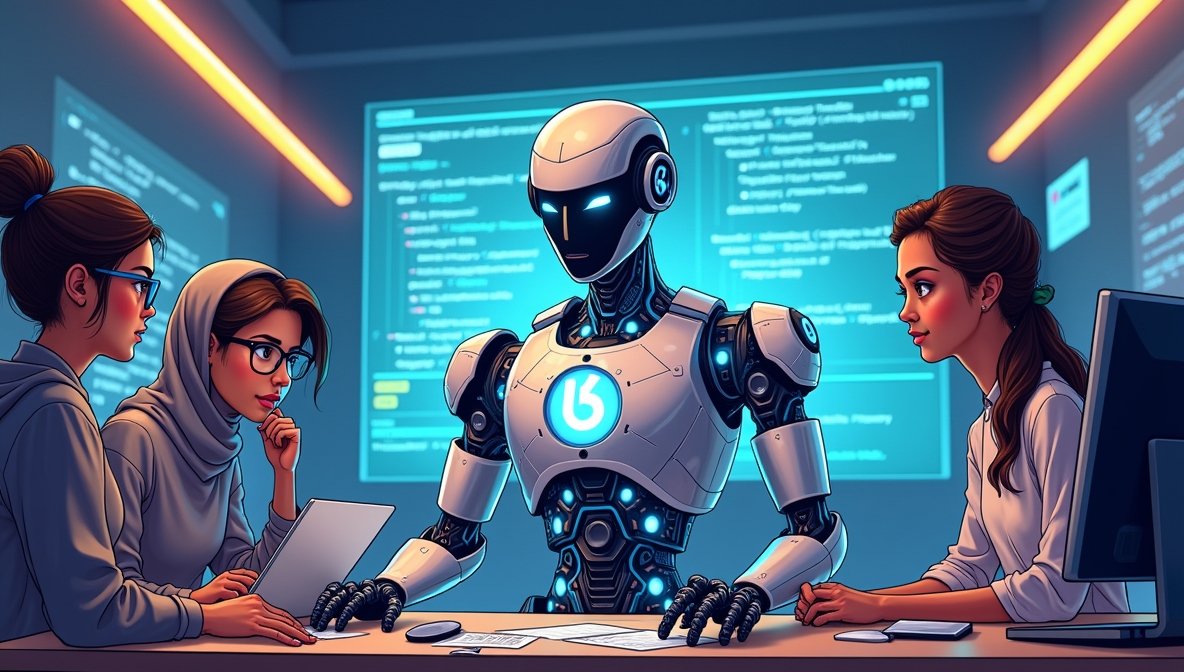
In today’s interconnected digital world, online communities play a powerful role in shaping how people learn, collaborate, and solve problems. Platforms dedicated to shared interests help individuals exchange ideas and develop skills beyond traditional classrooms or workplaces. One such concept gaining attention is social programgeeks, a term that reflects the blend of social interaction and programming culture. It highlights how technology enthusiasts no longer work in isolation but instead rely on collective intelligence and peer support. These communities bring together beginners and experts, encouraging learning through discussion, experimentation, and mutual motivation. As technology continues to evolve, such digital spaces become essential for nurturing innovation and sustaining long-term engagement in technical fields.
The rise of collaborative networks has changed how people perceive knowledge. Instead of relying solely on textbooks or formal courses, learners now turn to forums, discussion groups, and specialized communities to understand complex topics. This shift reflects a broader movement toward social programgeeks learning, where interaction becomes as important as information itself. Within this environment, communities centered on programming and technology create opportunities for both professional growth and personal connection. They allow individuals to share not only technical insights but also experiences, challenges, and creative solutions.
The Growth of Digital Communities
Digital communities have existed since the early days of the internet, but their scope and influence have expanded significantly. Early message boards and mailing lists provided limited interaction, often restricted by slow connections and small user bases. Modern platforms, however, enable real-time communication, multimedia sharing, and global participation. This evolution has transformed how people collaborate and learn.
Communities built around programming and technology thrive because they address real needs. Coding can be complex and sometimes frustrating, especially for beginners. Online groups provide immediate feedback and emotional reassurance, helping users overcome obstacles more easily. The sense of belonging that develops in such spaces encourages continued participation and learning. Over time, these communities become repositories of collective knowledge, storing solutions to problems that many users face repeatedly.
Social Learning and Skill Development
Social learning theory suggests that people learn more effectively when they observe and interact with others. In digital programming communities, this principle becomes especially powerful. Members can study real-world examples, ask questions, and receive advice from individuals with different levels of expertise. This dynamic environment accelerates understanding and builds confidence.
When people join a community focused on coding, they are exposed to diverse perspectives. Some members may emphasize efficiency, others creativity, and others long-term maintainability. This variety helps learners develop a more balanced approach to problem-solving. Over time, participants not only acquire technical skills but also improve communication, teamwork, and adaptability. These qualities are increasingly valued in modern workplaces, making social programgeeks learning platforms a bridge between education and professional practice. programgeeks key features to look for
Collaboration as a Catalyst for Innovation
Innovation rarely happens in isolation. Most breakthroughs emerge from dialogue, experimentation, and shared effort. Digital communities provide a fertile ground for this process. By bringing together individuals from different backgrounds, they encourage the exchange of ideas that might not occur otherwise. This interaction can lead to unexpected insights and creative solutions.
In technology-focused groups, collaboration often takes the form of open-source projects, peer reviews, and joint problem-solving. Participants contribute code, documentation, or design concepts, refining each other’s work through constructive feedback. The result is a cycle of continuous improvement. The concept of social programgeeks reflects this collaborative spirit, emphasizing that progress comes from shared curiosity and mutual support rather than competition alone.
Cultural Influence on Online Programming Spaces
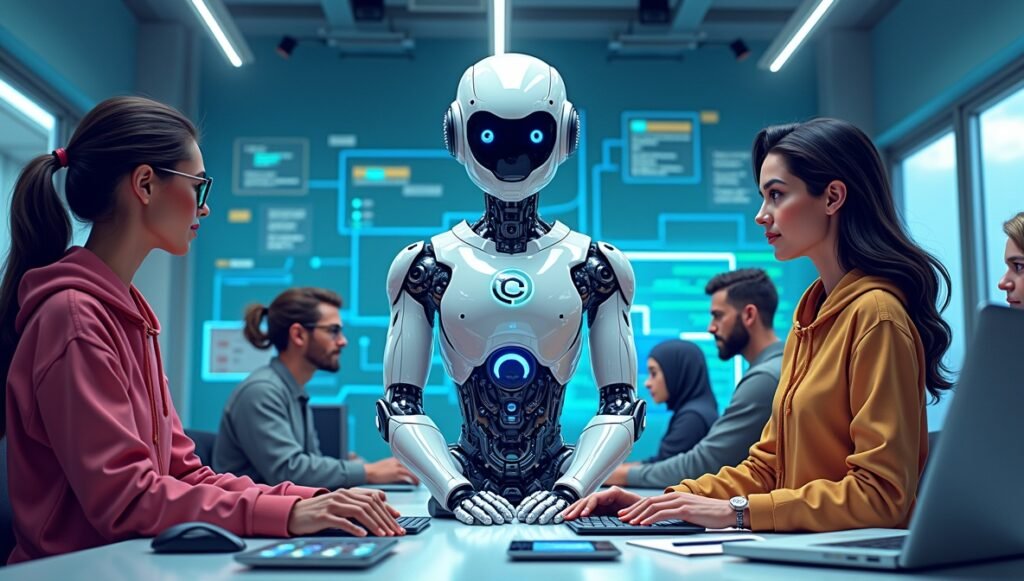
Every digital community develops its own culture, shaped by the values and behaviors of its members. Some groups prioritize formality and precision, while others embrace humor and experimentation. These cultural differences influence how knowledge is shared and how newcomers are welcomed.
In inclusive communities, beginners feel safe asking questions without fear of judgment. Experienced members act as mentors, guiding others through complex topics. This culture of respect and patience fosters long-term participation. On the other hand, overly critical environments can discourage learning and limit diversity. Understanding the cultural dynamics of a community helps participants choose spaces that align with their goals and learning styles.
Challenges Faced by Digital Communities
Despite their benefits, online programming communities face several challenges. One major issue is information overload. With thousands of posts and discussions, it can be difficult for users to find relevant or accurate answers. Moderation and organization become crucial to maintain quality and usability.
Another challenge is maintaining respectful communication. Differences in opinion and experience can lead to conflict if not managed carefully. Clear guidelines and active moderation help prevent misunderstandings and promote constructive dialogue. Sustainability is also a concern. Communities rely on volunteer contributions, which may fluctuate over time. Ensuring continued engagement requires constant effort and adaptation to changing user needs.
The Role of Mentorship
Mentorship plays a central role in strengthening digital learning environments. Experienced members guide newcomers, sharing not only technical knowledge but also strategies for career development and problem-solving. This relationship benefits both parties. Mentors refine their understanding by teaching, while mentees gain confidence and direction.
In programming communities, mentorship often happens informally through comments, tutorials, and collaborative projects. These interactions create a supportive atmosphere that encourages growth. The idea behind social programgeeks captures this mentoring spirit, where learning becomes a shared journey rather than an individual struggle. Over time, mentees often become mentors themselves, sustaining the cycle of knowledge transfer.
Impact on Professional Development
Participation in digital communities can significantly influence professional growth. Members gain exposure to real-world problems and solutions, preparing them for workplace challenges. Employers increasingly recognize the value of community involvement as evidence of practical experience and continuous learning.
Networking is another important benefit. Through discussions and collaborations, participants connect with peers, potential employers, and industry experts. These connections can lead to job opportunities, partnerships, or project invitations. Beyond technical skills, individuals develop soft skills such as communication, leadership, and adaptability, which are essential in modern careers.
Ethical and Responsible Participation
With influence comes responsibility. Members of online communities must consider the ethical implications of their actions. Sharing accurate information, respecting intellectual property, and promoting inclusivity are essential for maintaining trust. Misleading advice or harmful behavior can have serious consequences, especially when beginners rely on community guidance.
Responsible participation also involves acknowledging uncertainty. No one has all the answers, and admitting gaps in knowledge encourages collaborative problem-solving. Communities that value honesty and humility create healthier learning environments. The principles associated with social programgeeks emphasize respect, transparency, and mutual benefit, ensuring that growth does not come at the expense of others.
Future Trends in Social Programming Communities
As technology advances, digital communities will continue to evolve. Artificial intelligence may assist with moderation, content organization, and personalized learning paths. Virtual and augmented reality could enable immersive collaboration, allowing participants to interact in shared digital spaces.
Global connectivity will further diversify these communities, bringing together people from different cultures and educational backgrounds. This diversity will enrich discussions but also require greater sensitivity to communication styles and expectations. The future of social programgeeks lies in balancing technological innovation with human connection, ensuring that tools enhance rather than replace meaningful interaction.
The Psychological Benefits of Community Belonging
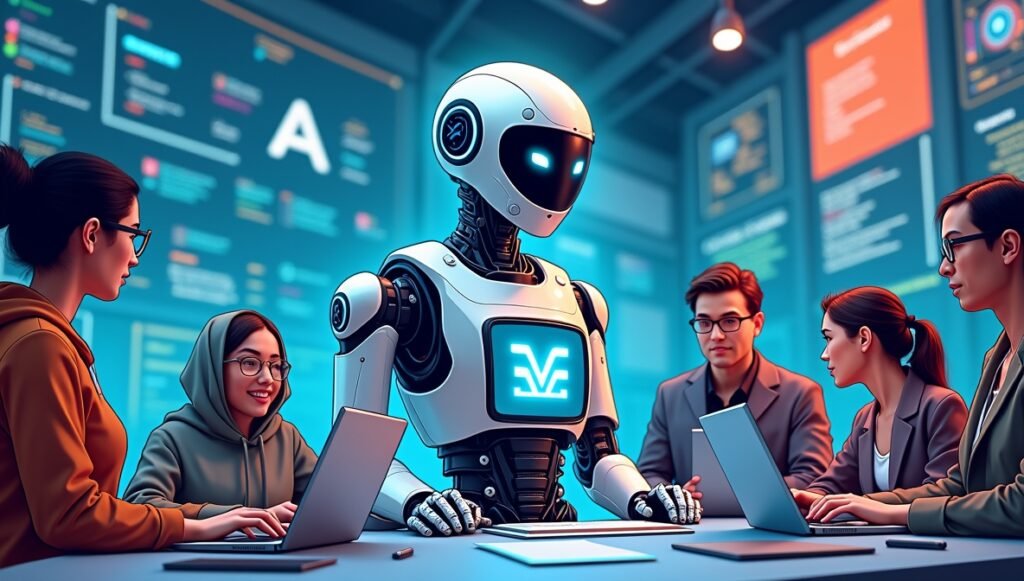
Belonging to a supportive group has psychological advantages. It reduces feelings of isolation and builds confidence. For individuals learning complex skills like programming, emotional support can be just as important as technical guidance. Encouragement from peers helps maintain motivation during difficult periods.
Communities provide a sense of identity and purpose. Members feel part of something larger than themselves, contributing to shared goals and values. This collective identity strengthens commitment and resilience. Over time, participants may view their community as a second family, united by curiosity and creativity.
Education Beyond Formal Institutions
Traditional education systems often struggle to keep pace with technological change. Digital communities fill this gap by offering up-to-date knowledge and practical insights. Learners can explore emerging technologies, experiment with new tools, and receive feedback from active practitioners.
This informal education complements formal training, providing real-world context and application. It also democratizes learning by making resources accessible to anyone with an internet connection. The philosophy of social programgeeks aligns with this vision, promoting open exchange of knowledge and collaborative growth.
Conclusion
Digital communities centered on technology and programming represent a powerful force in modern learning and innovation. They combine social interaction with technical exploration, creating environments where individuals can grow together. Through collaboration, mentorship, and shared curiosity, these spaces transform how knowledge is created and distributed. The concept of social programgeeks symbolizes this blend of community and code, reminding us that progress is most sustainable when built on cooperation and mutual respect. As these communities continue to evolve, they will shape not only the future of technology but also the ways people connect, learn, and create in an increasingly digital world.